
500 Days Wild
Join us in celebrating the 2024 Release Herd successfully roaming wild in Namunyak Conservancy & the groundbreaking efforts of the Indigenous Community who care for them.
Make a Donation
Help the Release Herd pave the way for more elephant orphans to return to the wild.
A one-time gift helps us today. A monthly gift helps us plan for tomorrow — join The Herd.
In a profound act of unity, an Indigenous community came together to rewild orphaned elephants onto their shared land.
Today, you can support the ongoing work of Reteti, The Sarara Foundation, and the Indigenous Samburu Community safeguarding the Release Herd and planning for future successful releases.
For a minumum donation of $10/month or $120/year, you will become a foster parent to the entire Release Herd – supporting their journey in the wild.
ADOPT THE HERD
Become a Foster Parent to the entire Release Herd
Adopt the 2024 Release Herd and contribute to the much-needed support, monitoring, and care required to safeguard the Release Herd in this next chapter of their lives in the wild.
You can adopt the whole herd starting at just US$10/month or US$120/year.

Your donation gets you exclusive access to the Release Herd’s private album and stories, frequent photo, video, text, and email updates from the wild, and will also get you automatic membership to The Herd – our global community of monthly supporters!

The rewilding of 13 elephant orphans from Reteti Elephant Sanctuary onto community-owned land is a testament to the coexistence between Indigenous people and wildlife, and represents the future of conservation.
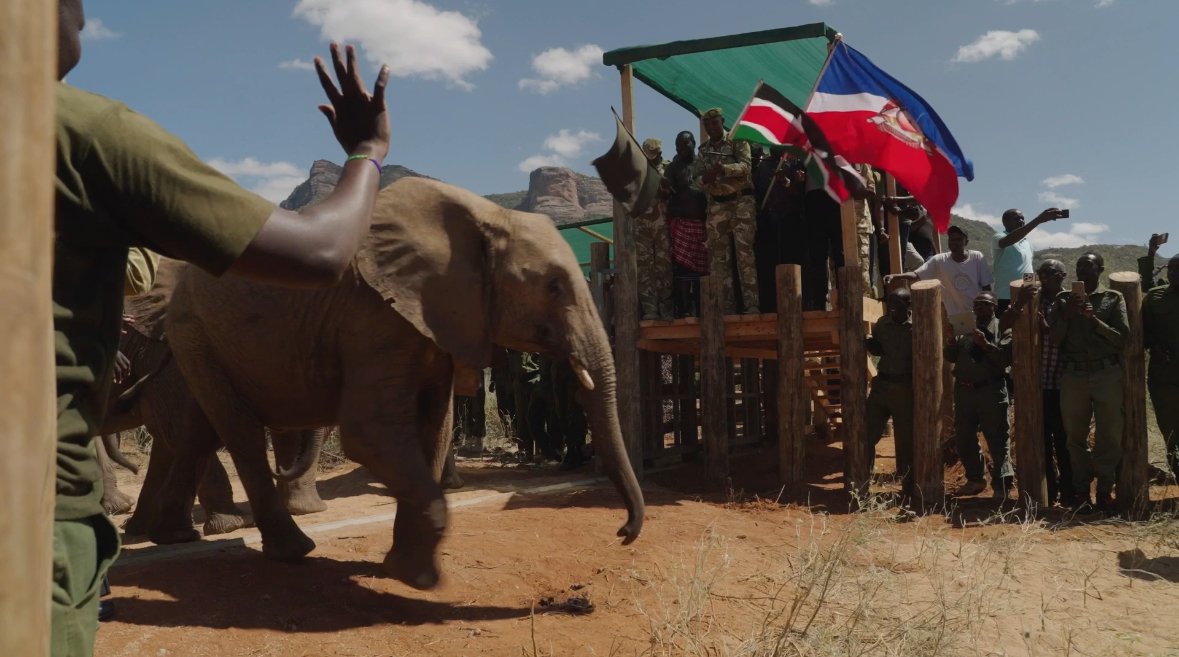
The 2024 Release Herd have started their next chapter in Namunyak Community Conservancy, where Reteti Elephant Sanctuary is located.


Orphaned as babies, these elephants returned to the wild amid bittersweet tears
Kapai and her herd were “rewilded” this month after years in an innovative Kenyan sanctuary, where keepers restored their health and prepared them to live free.
By Ami Vitale and Rael Ombuor
THE LATEST NEWS ABOUT THE RELEASE




The Challenge of Release
The orphans have a lot to learn to be able to survive in the wild. They need to know how to find food and water, navigate the politics of elephant life, and avoid trouble with predators or people. Normally, they’d learn these skills from their mothers and relatives.
At Reteti, their human caretakers start this process before they eventually join their next ‘teachers’ in the bush. Spending time with free-roaming adult elephants is the best way for the orphans to start learning the ways of the wild, and to join elephant society.
As the calves grow and need more space, they move into a bigger enclosure and no longer sleep in stables. Each at his or her own pace, they start spending more time foraging for themselves and needing less milk. They start relying less on keepers and more on their fellow elephants. Bonds between them start to strengthen, creating alliances that can last a lifetime
Crucially, Reteti’s orphans are never isolated from the environment of their birth and spend their days being taken on walks in the wild from the start. Every day, they learn more about what to eat, where to find water, and how to respond to predators like lions and other dangers.
Surrounded by Namunyak Community Conservancy, they also encounter the pastoralists and livestock herds with whom they share the landscape. When they bump into wild elephants, they start important interactions with the wider elephant society.

As orphans are prepared for release, the research team observes and records how they interact with each other, their keepers, and with food and water sources. This data helps to build an understanding of each individual elephant and provides a baseline from which to evaluate their later progress.
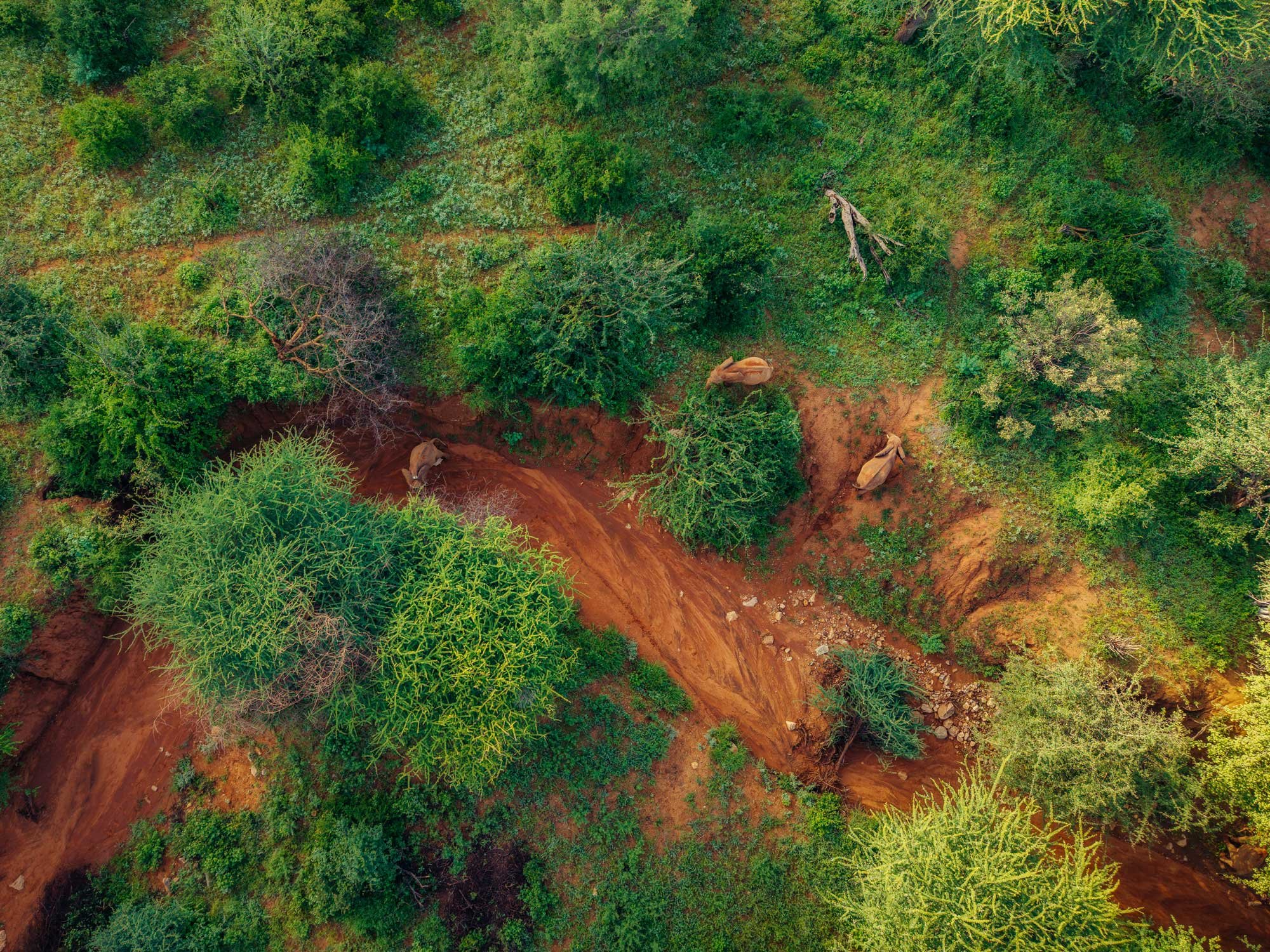
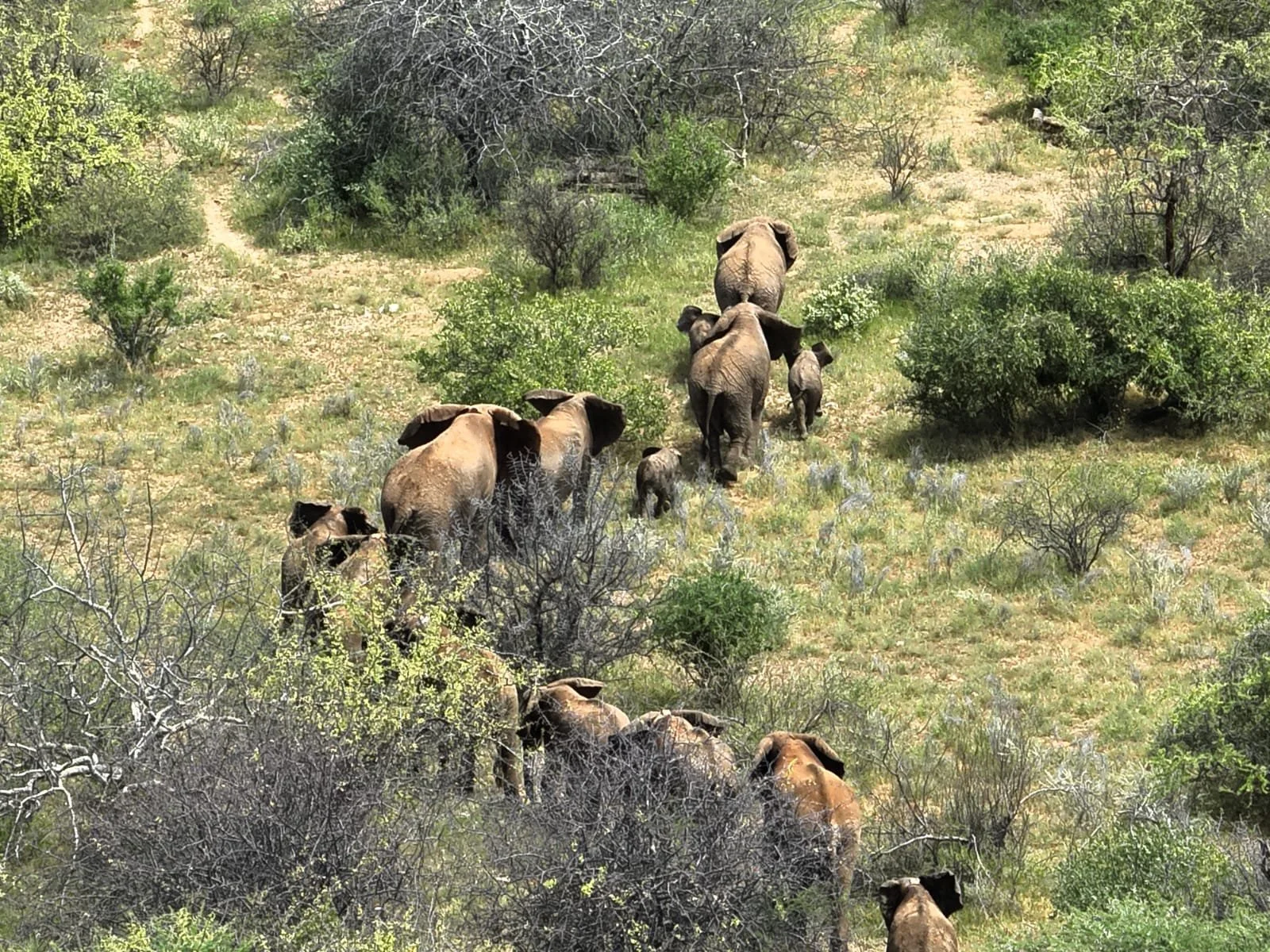
Once the orphans are released, their progress is studied in a way that avoids contact with people as far as possible. Using technology such as GPS tracking collars, camera traps and drones, field researchers from Reteti – along with researchers from Save the Elephants and San Diego Zoo Wildlife Alliance – monitor the orphans on a daily basis.
Understanding Rewilding
Frequently asked questions about collaring
-
This project is first of its kind as the orphans are being released into a Namunyak Conservancy, populated by the indigenous Samburu and 6,000 wild elephants. Namunyak is not a fenced national park. This an exciting step for conservation throughout Africa because it opens up vast new tracts of landscape for potential rewilding.
The elephants were orphaned and rescued here in this landscape, and now they're returning to the land. Elsewhere in Africa, wildlife is often released in a different landscape from where they were originally orphaned/born.
The collars will allow ongoing monitoring, research and data collection. Over the longer term, tracking data helps build knowledge of elephant behaviour. In an increasingly crowded Africa, this information is key to preserving habitat and the corridors that link areas used by both elephants and other wildlife. The data collected will help inform decisions that could protect hundreds more elephants in the years to come.
Tracking the elephants was also a government wildlife department condition for their release. Save the Elephants and Kenya Wildlife Service have been using tracking collars to give a voice for elephants and to help protect them for several decades, and the conservation benefits of the data has had enormous benefits for elephant conservation efforts across Africa.
-
The elephant collars are especially helpful in monitoring:
Wellbeing
From being able to respond to injuries to notice any concerning behaviour in real-time, it will help us to track their safety and welfare around the clock.Social integration
Providing us with real-time information on the engagements between the released elephants and wild elephant herds, the tracking data will enable us to see if they are integrating sufficiently and successfully to create the necessary bonds needed to reintegrate fully into the wild.Feeding behaviours
It will be crucial for the elephants to maintain their body weight once they’re released, so we will be watching their feeding behaviours with very keen eyes! By tracking their preferences in terms of browsing areas and patterns, we will be able to see if they are making the most of the natural resources available to them in the wild.Activity patterns
By continuously monitoring the activities of the rewilded elephant orphans, we can form a clear picture of their release milestones. This will help us to identify and address any issues early on – and inform our planning for future release projects.Human interactions
Namunyak Community Conservancy has been home to both wildlife and the Samburu people for generations, and their harmonious relationship forms the foundation of the grassroots conservation movement at the heart of Reteti Elephant Sanctuary. As the release area is set within community-owned land, the elephants will encounter both people and their livestock during the course of their normal activities, and we will monitor these encounters as part of our ongoing observations and research. -
GPS collars are the best option for Samburu elephants as they've been tried and tested over the years – thanks to the incredible work of Save the Elephants. A tremendous amount of research goes into the design of these collars and elephants get used to them very quickly. Think about how it feels when you put a necklace on in the morning – you even forget it’s there and sometimes you find yourself touching your neck to see if you still have it on. While the collars might look strange to the human eye, we can assure you it doesn’t bother them – they're not heavy.
-
Not at all! While it might look strange to the human eye, the weight of a collar on an elephant is the equivalent of a small pendant necklace around your neck. They're not heavy and fit comfortably loose. The collars work like a belt with different holes and they'll be adjusted as the elephants grow to remain loose and comfy.
Looking back at our previous releases
The first 10 orphans from Reteti were released into Sera Wildlife Conservancy – 20 miles east of Reteti – in three cohorts.
COHORT 1 | May 2019
Warges, Lingwezi and Sosian were reintroduced to the wild.
COHORT 2 | November 2019
Shaba, Mpala and Pokot joined a herd of over 30 free-roaming elephants.
COHORT 3 | June 2020
Loisaba, Baawa, Lchurai and Nadasoit were released into their new wild home.
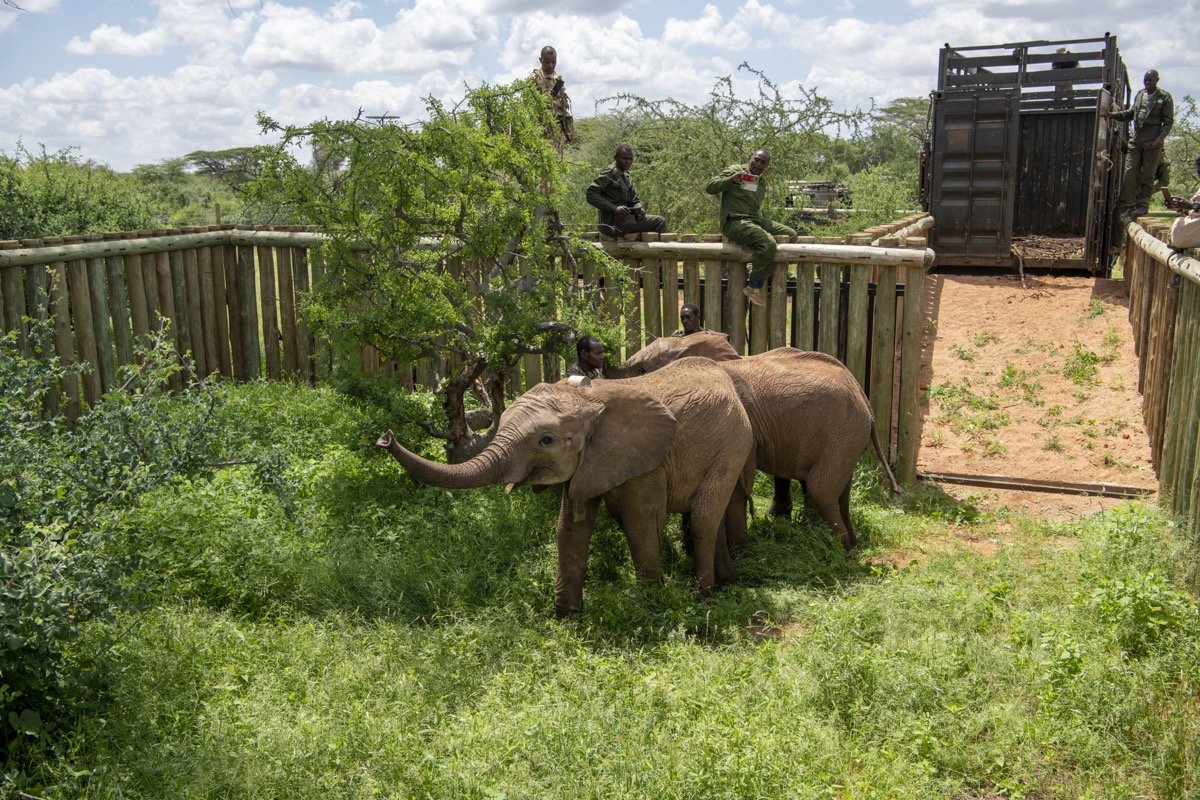
One of the first cohort of orphans to be rewilded – Nadasoit, Baawa, Lchurai and Loisaba – being released in May 2020. Photo: Ami Vitale

Tracking the orphans following their release helps to ensure they remain healthy and safe. The data also helps understand what works best when it comes to rewilding. Photo: Jane Wynyard/Save the Elephants

Nadasoit getting her GPS tracking collar fitted at Reteti prior to her release. Photo: Jane Wynyard/Save the Elephants

Three of the orphans released in 2019 photographed during an aerial patrol by Save the Elephants. Photo: Jane Wynyard/Save the Elephants